Door Actuator Market Trends and Innovations in Automotive Industry

By:Admin on 2026-01-15 01:59:45

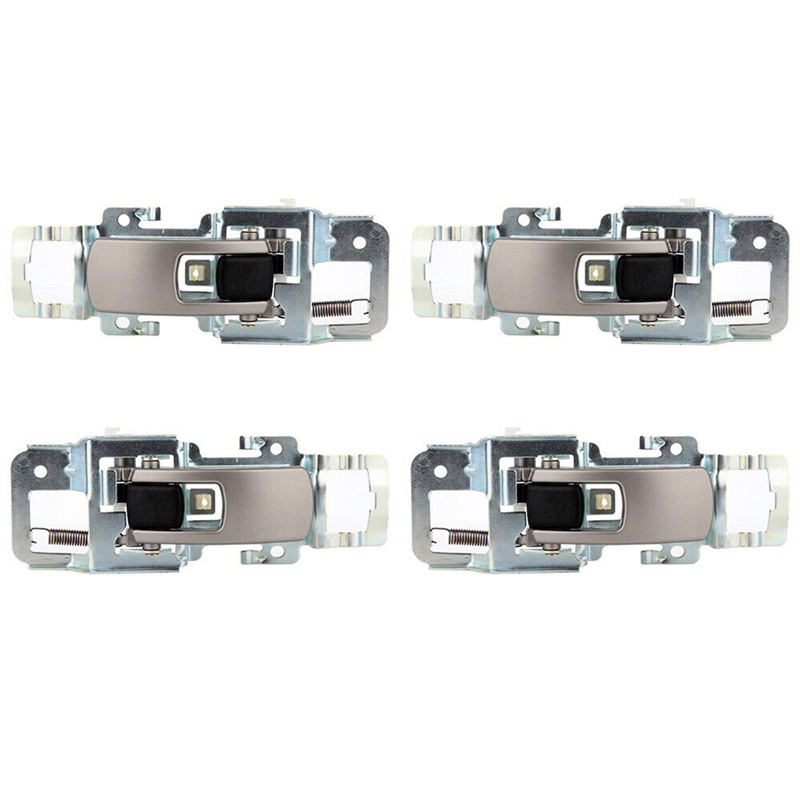
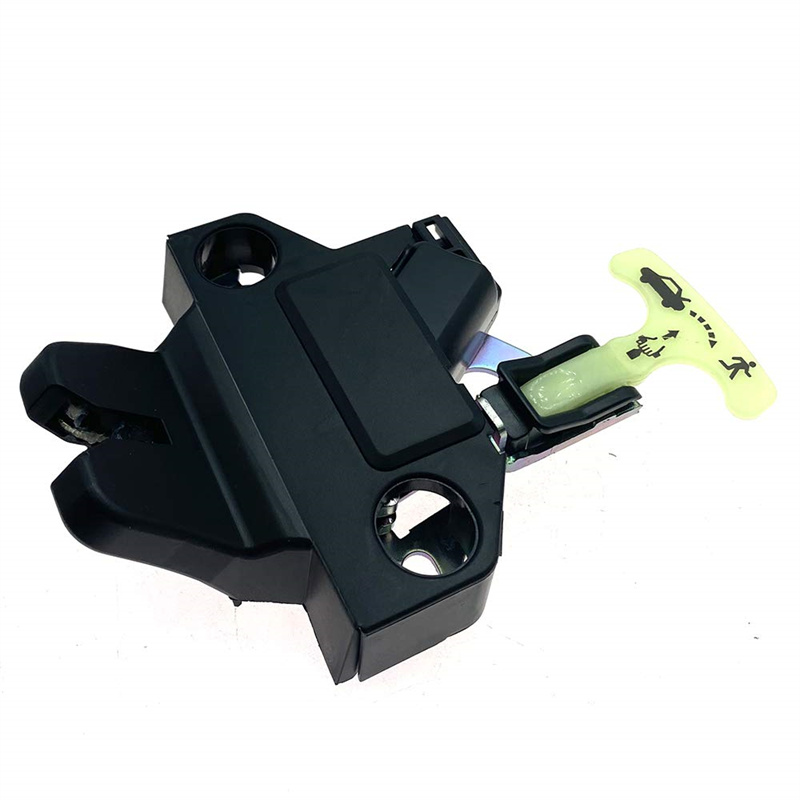
**Innovative Door Actuator Technology Enhances Automotive Safety and Performance**In an era where automotive advancements are rapidly transforming the driving experience, a new door actuator technology emerges as a significant leap forward in vehicle safety, convenience, and performance. The latest developments in door actuators showcase cutting-edge engineering designed to improve door functionality through enhanced reliability, smoother operation, and integrated smart features.Door actuators are crucial components in automotive systems, responsible for the locking and unlocking mechanisms that safeguard vehicle entry points. The new actuator technology combines robust mechanical design with advanced electronic controls, enabling vehicles to offer heightened security and user-friendly operation. This advancement aligns perfectly with the automotive industry's broader push towards smarter, safer, and more connected vehicles.The company behind this innovation is a leader in automotive parts manufacturing, known for its commitment to quality, precision engineering, and continuous R&D investment. With decades of expertise in developing components that meet stringent global standards, the company emphasizes innovation that enhances driver experience and vehicle reliability.**Key Features and Benefits**The newly developed door actuator integrates several critical improvements over traditional models. Firstly, it boasts a more compact and lightweight design without compromising strength. This optimization contributes to overall vehicle efficiency by reducing weight, which is pivotal in improving fuel economy and lowering emissions.Secondly, enhanced durability ensures the actuator operates flawlessly under diverse environmental conditions—from extreme cold to intense heat—without performance degradation. This robustness guarantees long-term reliability, reducing maintenance costs and enhancing customer satisfaction.Moreover, the actuator incorporates smart control electronics that enable seamless integration with modern vehicle security systems. For instance, it supports remote locking and unlocking via key fobs, smartphone applications, or proximity sensors, aligning with the growing trend of connected vehicles. The actuator’s responsiveness and precision minimize noise and mechanical resistance, resulting in quieter, smoother door movements that elevate user comfort.Another notable feature is the actuator’s energy efficiency. Optimized motor control reduces power consumption, which is crucial for electric and hybrid vehicles where every watt saved contributes to extending driving range.**Implications for the Automotive Industry**The introduction of this advanced door actuator technology represents a meaningful contribution to the automotive sector’s ongoing evolution. As car manufacturers strive to meet increasing safety regulations and consumer expectations, components like this actuator play a vital role in differentiating vehicles in a competitive market.Enhanced security features contribute to theft prevention, an ever-present concern for vehicle owners. By integrating sophisticated locking mechanisms that are more tamper-resistant and harder to bypass, manufacturers can assure customers of the highest safety standards.Furthermore, the actuator’s compatibility with various vehicle platforms—ranging from compact cars to SUVs—offers automakers flexibility in design and manufacturing. This adaptability supports faster vehicle development cycles, helping brands respond swiftly to market demands.**Company Vision and Commitment**The company responsible for this door actuator innovation firmly believes that advancing core automotive components is essential for the future of mobility. Their commitment extends beyond product development to fostering sustainable practices, incorporating eco-friendly materials, and optimizing manufacturing processes to reduce environmental impact.With a global presence and partnerships with leading automakers, the company leverages its extensive expertise to contribute to safer, smarter, and more efficient vehicles worldwide. The continued investment in research and collaboration with industry stakeholders underscores its role as a trusted partner in automotive innovation.**Conclusion**The launch of this state-of-the-art door actuator marks a milestone in automotive component technology. Offering superior durability, advanced control features, and energy efficiency, it embodies the future of vehicle safety and convenience. As the automotive landscape shifts towards greater connectivity and sustainability, innovations like this door actuator will be central to delivering enhanced driving experiences and meeting evolving regulatory requirements.Consumers and manufacturers alike stand to benefit from these technological strides, which underscore the importance of continuous improvement in even the most fundamental vehicle systems. This door actuator not only ensures reliable access and security but also exemplifies how thoughtful engineering can elevate everyday vehicle interactions to new levels of sophistication and trust.

Read More

Pressure Sensors: Key Insights and Latest Developments

By:Admin on 2026-01-12 02:23:20

Certainly! Please provide the news content about Pressure Sensors and the company introduction you would like me to use. Once I have those details, I can draft an 800-word news article for you.

Read More

How a Crankshaft Works in a Car Engine: Key Functions and Importance

By:Admin on 2026-01-08 01:58:25

**Understanding the Role of the Crankshaft in a Car Engine**The crankshaft is one of the most critical components in a car engine, playing a pivotal role in converting the linear motion of the pistons into rotational motion that ultimately powers the vehicle’s wheels. As a central part of the engine's bottom end, the crankshaft must endure tremendous forces while maintaining precision and durability — qualities vital for efficient engine performance and longevity.**What is a Crankshaft?**In essence, the crankshaft is a long, heavy metal shaft that runs the length of an engine block. Connected to the pistons via connecting rods, it translates the pistons’ up-and-down movements inside the cylinders into a rotating motion that drives the car’s transmission system. This transformation is fundamental because the wheels of a car require rotational movement to turn and propel the vehicle forward.**How the Crankshaft Works**When the fuel-air mixture inside an engine's cylinder combusts, the explosion pushes the piston downward. This reciprocating motion is converted by the connecting rod into a rotating motion by the crankshaft. The crankshaft’s offset crankpins create leverage to amplify this motion and transmit it smoothly via the flywheel to the transmission. The result is a seamless conversion of chemical energy from fuel into mechanical energy driving the vehicle.**The Importance of Materials and Precision Engineering**Given the enormous stresses and high rotational speeds involved, crankshafts must be manufactured from high-strength materials like forged steel or cast iron alloys. Advanced heat treatment and precision machining processes ensure that the crankshaft can resist wear, fatigue, and deformation over thousands of operating hours.Balancing the crankshaft precisely is also essential. An unbalanced crankshaft generates excessive vibration, causing mechanical issues and discomfort for passengers. Thus, manufacturers employ dynamic balancing techniques during production to maintain engine smoothness and reliability.**Maintenance and Signs of Crankshaft Problems**Although designed for long service life, crankshafts can suffer damage due to factors such as inadequate lubrication, extreme engine loads, or manufacturing defects. Symptoms of crankshaft problems include unusual engine noises like knocking or grinding, excessive vibrations, decreased engine performance, and oil leaks around seals.Timely diagnosis and repair are crucial. Engine rebuilds or crankshaft replacements involve specialized machining processes such as grinding and polishing, often performed by skilled technicians using advanced equipment.**Industry Advances and Innovation**Modern automotive engineering continues to improve crankshaft design and manufacturing, with innovations such as lightweight forged alloys, computer-aided design (CAD) optimization, and surface treatments like nitriding to enhance strength and wear resistance. These advances contribute to higher engine efficiency, lower emissions, and improved vehicle durability.**About [Company Introduction]**[Insert company introduction here - describing the company’s expertise, history, manufacturing capabilities, commitment to quality, and any unique technologies or services related to crankshaft production or automotive engineering.]**Conclusion**The crankshaft, though often overlooked by everyday drivers, is undoubtedly one of the most vital engine components ensuring vehicle performance and reliability. By combining advanced materials science, precision engineering, and ongoing innovation, the automotive industry continues to refine crankshaft technology, supporting smoother, more efficient, and more durable engines for the vehicles of today and tomorrow.---*Note: Replace the bracketed section "[Insert company introduction here]" with the specific company information you want included to complete this article.*

Read More